Venetian Estates Never Got a Clubhouse. It Got Three Private Lakes Instead.
September 17, 2026
September 17, 2026
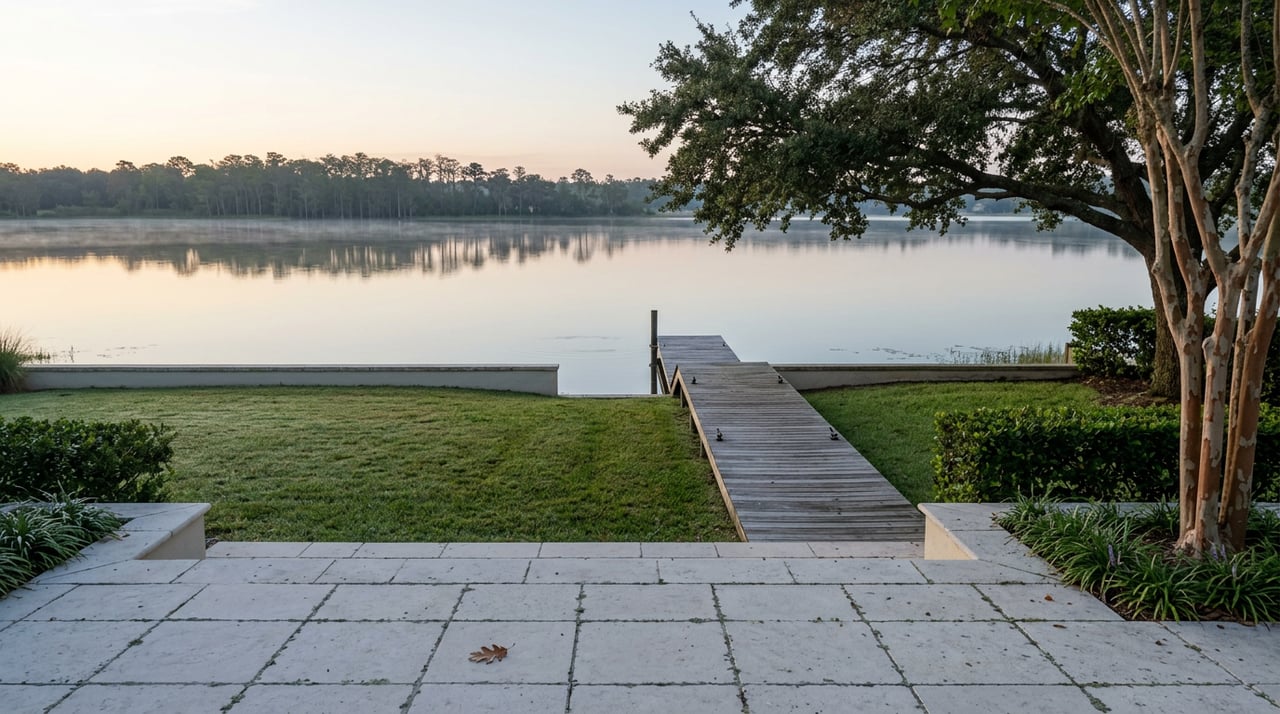
Drive through Venetian Estates on a September evening and you won't pass a golf shop, a swim club, or a lit-up clubhouse sign. What you'll see instead is a string of backyards running down to still water, a kid on a dock adjusting a rod, and porch lights coming on along streets that still carry the shape of a 1959 subdivision plan. That absence is not a gap in the neighborhood. It's the plan working exactly as built.
Venetian Estates went up on land that had been swampy pasture and part of the old Imperial Sugar Company holdings, a stretch of ground so waterlogged that early photographs from the Sugar Land Heritage Society show standing water where the front section of the subdivision now sits. Developers dredged canals and cut them into lakes, chasing a Venice-on-the-Gulf-Coast concept, and then did something most Houston-area developers of the era didn't: they gave the water directly to the lots instead of building a shared recreation building around it. Homes here don't share a pool deck. A large share of the parcels sit right on Lake Venice, Lake Elda, or Lake Angela, and many of those come with private docks and boat slips built into the backyard instead of a membership card at a central clubhouse.
That structural choice, water distributed to individual lots rather than pooled into a common facility, ended up creating the neighborhood's actual social calendar. Ask anyone who lives here about the fishing and you'll hear about specific catches. One newsletter recounts a Lake Venice catch, while another describes a resident landing a fish from a neighborhood bulkhead. The lakes are stocked, and residents fish them the way people elsewhere use a shared pool: casually, constantly, and as an excuse to talk to whoever's on the next dock over.
The neighborhood's homeowners association has leaned into this rather than fighting it. Instead of funding a clubhouse renovation, it sells branded fishing shirts, insulated cups, and other gear through its own site, merchandise built around the identity the lakes already gave the place. That's a small decision, but it says something larger: when an HOA decides what to put its logo on, it's telling you what the neighborhood actually thinks of itself.
The other piece of infrastructure that fills the clubhouse-shaped hole is less visible from the street. Venetian Estates has a monthly community newsletter that functions less like a real estate flyer and more like a small-town paper. It runs a market update, sure, a line or two on which lots are listed and at what price, but the bulk of each issue is given over to who just moved in. New neighbors get introduced by name, by street, by what they do for work and where their kids go to school. Families who broke ground on a new build get a mention when the framing goes up and another when they finally move in before the holidays. It's the kind of hyperlocal detail that never survives a national real estate site's neighborhood page, because no algorithm scrapes a newsletter for the fact that a local coffee blend just won a national title.
That last one is real, and it's a good example of the kind of fact that only shows up if you're actually reading what the neighborhood reads. Blendin Coffee, run by owner Weihong Zhang elsewhere in Sugar Land, won the Specialty Coffee Association's U.S. Brewers Cup Championship, the first time in the competition's history that a decaf took the title. The house blend, a Colombian decaf called Typica from Los Nogales, is sold in the shop and online. It's a small, oddly specific point of pride that showed up in the Venetian Estates newsletter anyway, tucked in next to news of who's building where, and it circulated through the community the same way a good fishing story does: word of mouth, then the newsletter, then everyone ordering a bag.
A clubhouse tells you what a developer thought residents would want in 1959. A newsletter still running today tells you what residents actually built instead.
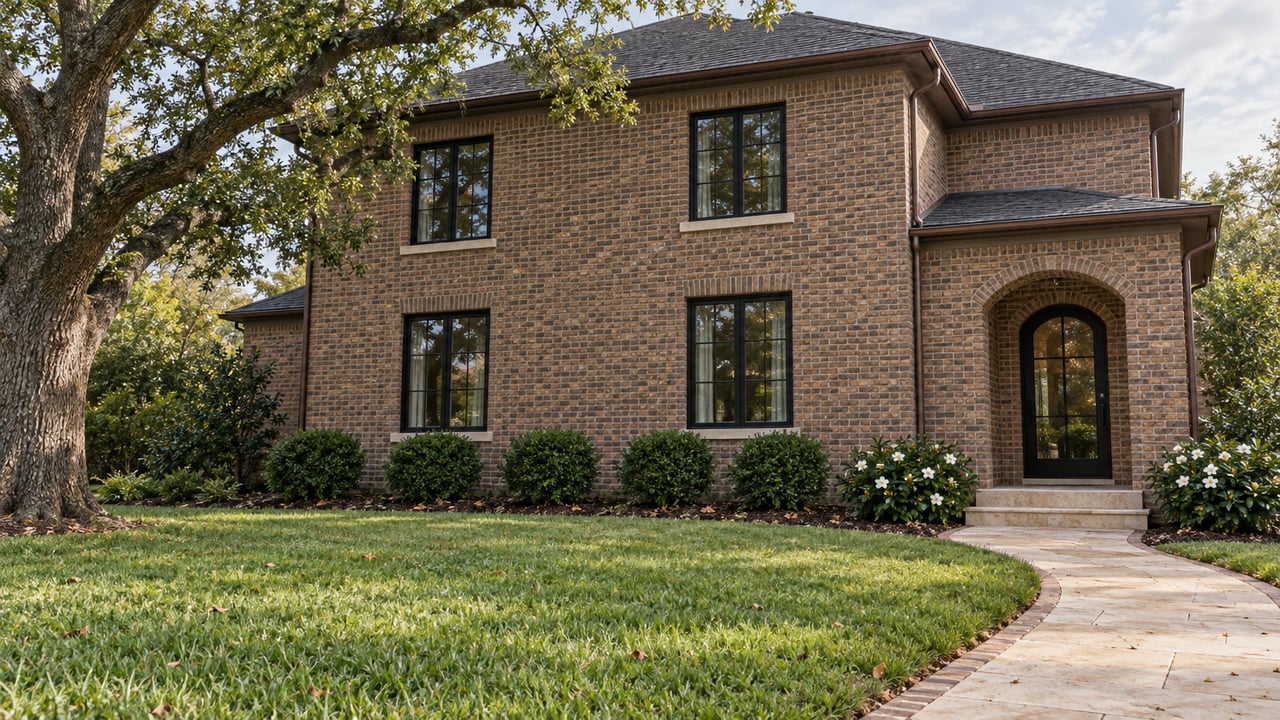
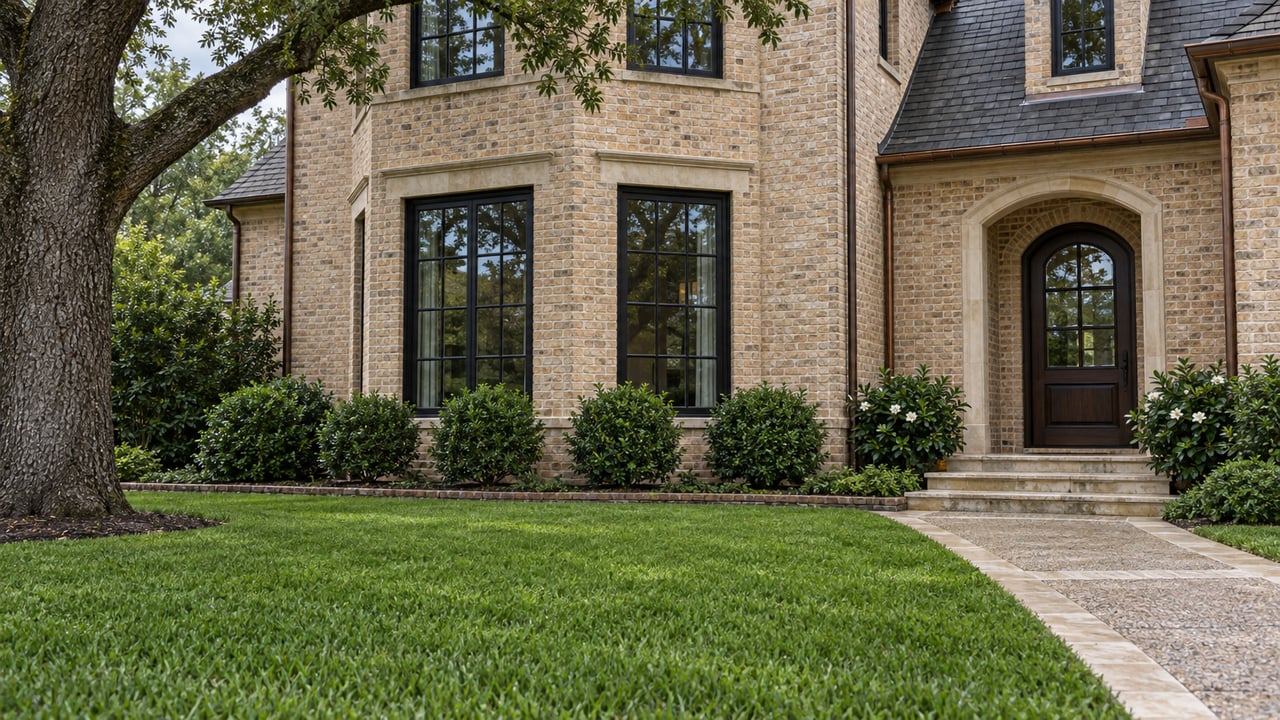
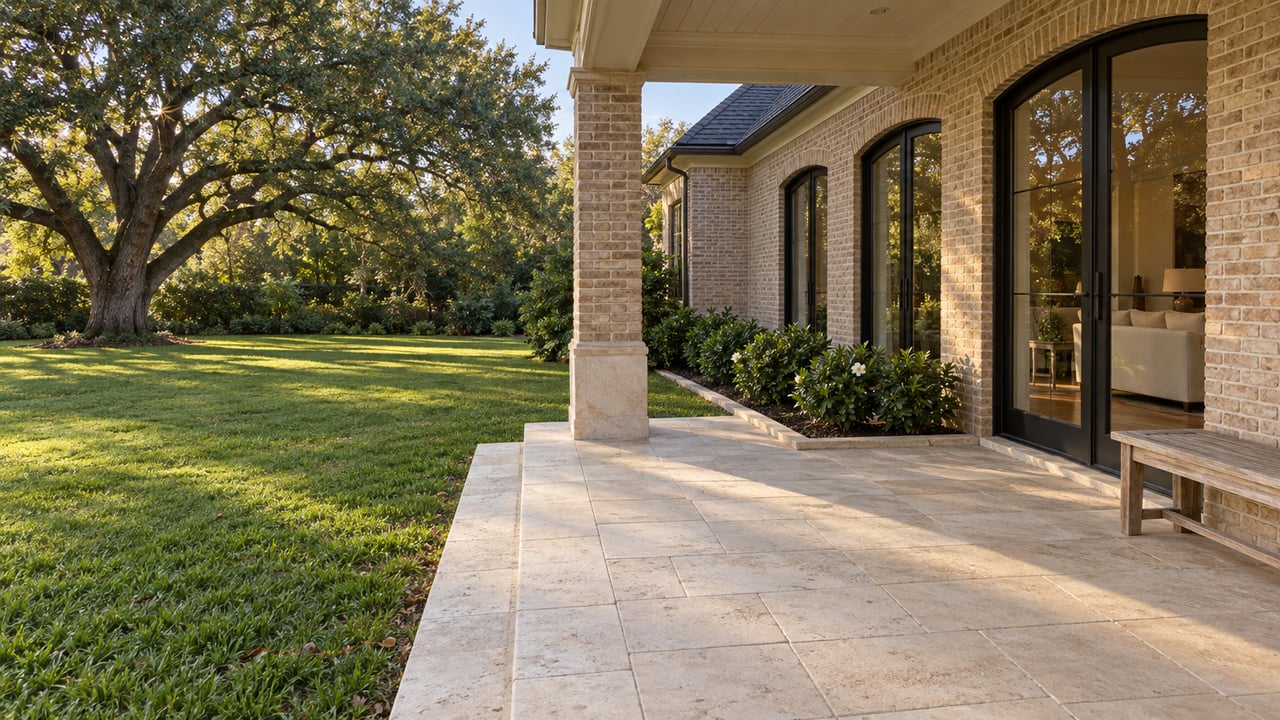
There's a second, more public signal that the lake-lot format produces something worth showing off. Child Advocates of Fort Bend runs an annual Christmas Home Tour, a two-day fundraiser that ran December 5 and 6, 2025, walking crowds through decorated homes across Sienna, Sweetwater, Venetian Estates, and Greatwood. The year before that, the tour rotated through Alkire Lakes, Venetian Estates, and Sugar Creek. Venetian Estates has landed a spot on the tour in back-to-back years, which is not an accident of geography. Organizers are picking homes with the kind of scale and street presence that large, half-acre-plus lake lots with mature live oaks tend to produce, the same architectural bones that came out of the original 1959 platting. Tickets for the 2026 tour go on sale November 1, and while the neighborhood lineup for 2026 hasn't been announced yet, the pattern of the last two years suggests Venetian Estates homes are the kind organizers keep coming back to.
For residents, that means the neighborhood's holiday season already has a built-in landmark before the first porch is decorated: strangers walking through a few private homes for two nights in December, all in service of an organization that helps fund more than 18 services for children and families across the county. It's a strange kind of exposure for a neighborhood with no gate and no sign at the entrance, one weekend a year when the private lake lots that otherwise stay tucked behind hedges and long driveways get opened up on purpose.
None of this shows up if you're comparing Venetian Estates to other Sugar Land neighborhoods on the usual criteria: proximity to Highway 90, distance to First Colony Mall, school zoning within Fort Bend ISD. Those facts are true and largely interchangeable with a dozen nearby subdivisions. What's specific to this one is that a decision made in 1959, to hand the water directly to the lots instead of pooling it into a shared facility, produced a version of community life that runs on private docks, a newsletter that tracks families instead of just listings, and a recurring invitation to open those same private lots to the public once a year for charity. Cullinan Park's 420 acres sit close enough for a Saturday walk when you want trails instead of a backyard, but the daily rhythm here is still set by the water behind each house, not a shared amenity out front.
If you're already living on one of those lake lots, none of this changes your Tuesday. But it's worth knowing why the neighborhood feels the way it does when you're deciding whether to enter next year's fishing tournament, sign up for the Home Tour, or just introduce yourself to whoever's building on your street. The infrastructure that makes that possible was never a clubhouse. It was the water itself, and a newsletter willing to write down who's showing up to use it.
Fort Bend Real Estate Corporation has spent decades tracking the neighborhoods where we live and work, Venetian Estates included. If you'd like to talk through what's happening on your block, or anywhere else in Fort Bend County, schedule a consultation with our team.
Tell us about your real estate goals, and we'll help you navigate the process with confidence and ease.
Fort Bend Real Estate Corporation
8410 HIGHWAY 90A STE 120 SUGAR LAND TX 77478